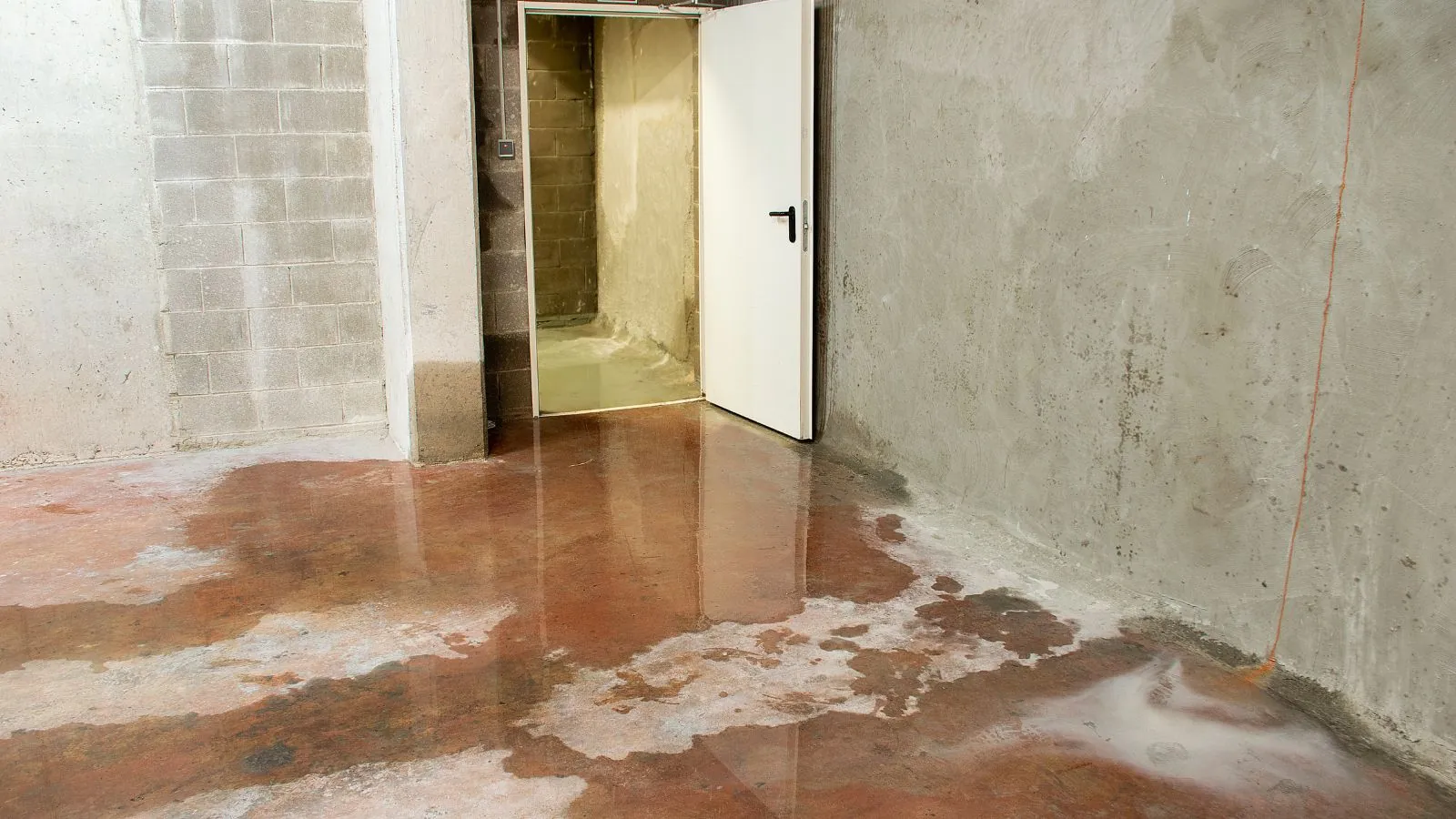
A basement sits below the ground, so water reaches it from several directions at once: surface runoff, groundwater pressing on the foundation, plumbing, a failed sump pump or a backed-up floor drain. The cleanup depends on where the water came from, because that decides how clean it is.
This page covers the below-grade room and its contents, including finished basements with carpet, drywall and stored belongings. Water in the void under the floor of a house with no basement is on the crawl space page.
When basement water is an emergency
Water is an emergency when it is rising, when it is near the furnace, water heater, electrical panel or outlets, or when it came from a drain. Stay out of standing water if any cord or appliance is in it. Do not go down wet stairs to throw a breaker, and call the utility if you smell gas or see sparking.
Once the area is safe, lift stored items off the floor and photograph everything. Calls are answered on holidays and weekends, and a free crew can be sent that day.
Where basement water comes from
| Source | Water category | Clues | Fix |
|---|---|---|---|
| Burst pipe or tank | Category 1 | Water from one spot, often warm | Plumbing repair, then dry |
| Sump failure or overflow | Category 2 or 3 | Water after rain, sump pit full | Replace pump, add backup |
| Groundwater seepage | Category 2 or 3 | Water at the wall base or floor cracks | Drainage work, then dry |
| Sewer backup | Category 3 | Water from a floor drain | See sewage backup cleanup |
Rain-related water is usually treated as Category 2 or 3, because it passes through soil before it enters. That is why carpet and pad that sat in it are normally thrown away.
What Norwalk homeowners can check
Norwalk's zoning office points residents to a city GIS map that shows wetland and floodplain locations, so look up your address before the next storm. The practical reason is that a lot near a mapped wetland or floodplain is more likely to see groundwater pressure after heavy rain, and that shapes whether a sump pump with a battery backup is worth considering.
Norwalk averages about 40 inches of precipitation a year in the NOAA 1991 to 2020 normals, so a basement that stays dry in an ordinary year can still struggle in a wet spring. A sump pump test twice a year and downspouts that discharge away from the foundation are the simplest protections.
Cleanup, drying and rebuild
- Extract the water and remove mud and debris
- Remove wet carpet, pad and any drywall that cannot be saved
- Wash and disinfect surfaces if the water was contaminated
- Dry with air movers and dehumidifiers until moisture meters read normal
- Rebuild finishes and flooring, ideally with water-resistant materials
Concrete and block walls dry slowly and can release moisture for days after a flood. Controlled dehumidification is the reliable way to bring them back, and structural drying explains how the readings are used.
Water in the lowest room spreads under finished walls quickly.
Cleanup is not waterproofing
Restoration dries and rebuilds what water damaged. It does not fix the foundation or stop groundwater from entering again. A waterproofing contractor or a drainage specialist handles those problems, and a restoration company can tell you when a pattern of repeated water suggests you need one.
For wet carpet that runs through a finished room, carpet water damage restoration has the details. If the water rose from outside, flood damage cleanup applies.
What affects basement water damage cleanup cost
Basements range from a damp corner to a full flood:
- Depth and duration of the water
- Water category
- Finished versus unfinished space
- Carpet, drywall and contents involved
- Equipment days and concrete drying time
- Rebuild scope
Sudden plumbing failures are often covered, while seepage and groundwater usually are not, and flood and sewer backup often need separate coverage. Check your policy or ask your insurer. Want your real number? Call dispatch.
Basement Water Damage questions in Norwalk, OH
Do you handle Basement Water Damage emergencies at night or on weekends in Norwalk?
Yes. Basement water shows up during overnight storms and on weekends, and dispatch picks up at any hour. Where a crew is free, it can head out the same day. Stay out of the basement if water is near the furnace, panel or outlets, and call the utility about any electrical or gas risk before you call us.
Can I clean a flooded basement myself?
Small, clean-water spills can be handled with a wet vacuum. Anything from a drain, a rising sump or the outdoors can be contaminated, and deep water or wet drywall needs professional equipment.
Does restoration fix a wet basement for good?
No. It dries and rebuilds. A drainage or waterproofing contractor addresses why water entered.
How do I know if the concrete is dry?
Moisture readings and a dehumidifier running in a closed space show it. A concrete floor can look dry while still releasing moisture.
Water still spreading in Norwalk? The dispatch line answers around the clock.