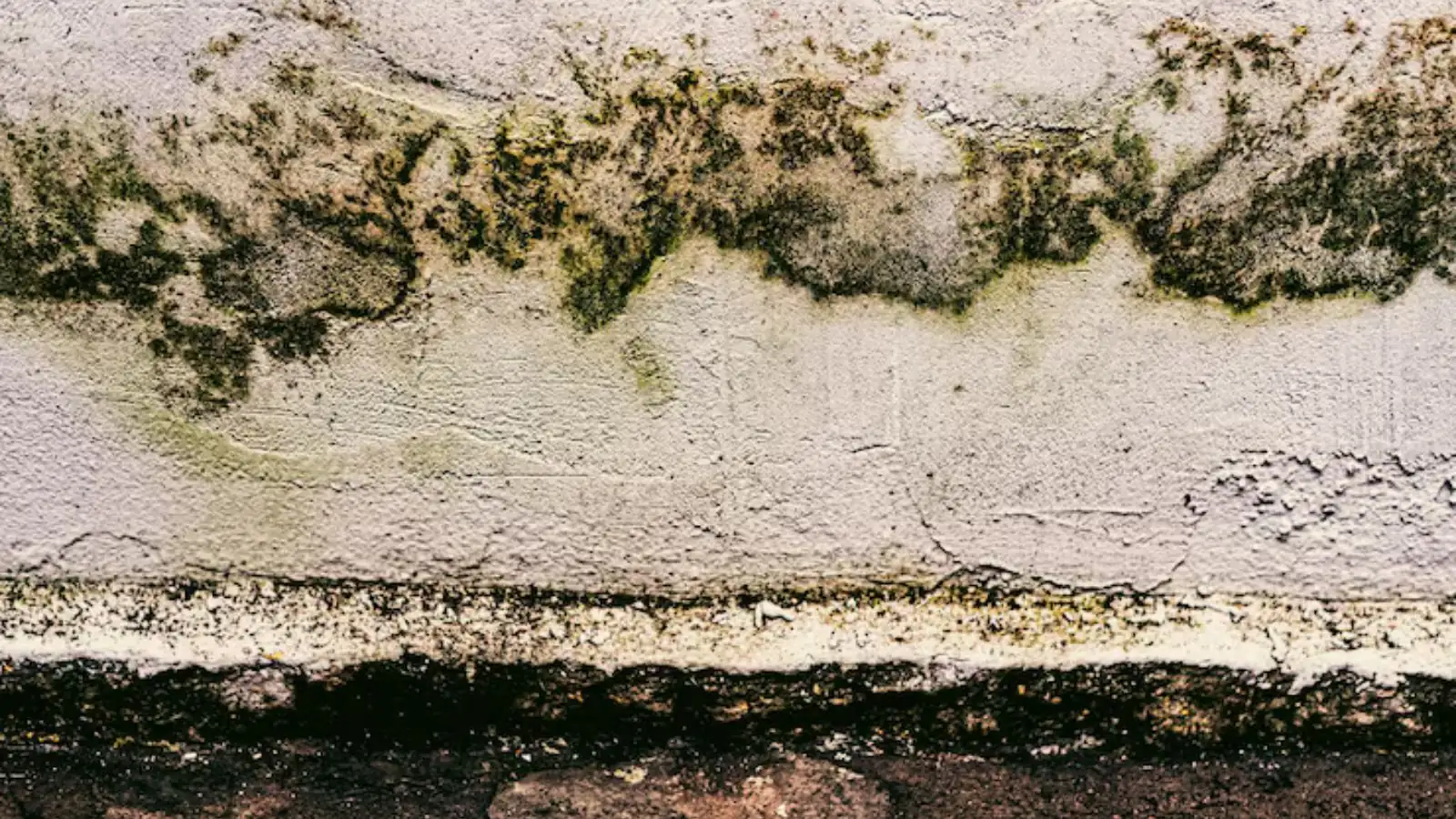
Mold remediation is the process of finding the moisture that allowed mold to grow, containing the affected area, removing contaminated material and cleaning surfaces so the space can be rebuilt. The published industry standard for the work is ANSI/IICRC S520, and you can ask any company whether its crews work to it.
I see black spots and smell something musty. What do I do?
Dark spots on a wall, a musty smell in a closet or fuzzy growth on a basement corner are the typical ways people notice mold, and they often search for black mold removal or how to kill mold. The honest first step is to find the water. Mold needs moisture, and removing mold without fixing the leak or humidity problem leaves the conditions for more.
Questions about health effects belong with your physician. A remediation crew deals with the building, not with medical conclusions.
Where mold shows up in water damage jobs
- Drywall and baseboards that stayed wet
- Carpet pad and the underside of carpet
- Insulation and framing in wall cavities
- Basements, crawl spaces and closets with humidity problems
- Ceilings under roofs or plumbing that leaked slowly
EPA guidance says to dry water-damaged materials within 24 to 48 hours and to keep indoor humidity below 60 percent, ideally between 30 and 50 percent. Prompt structural drying is the strongest tool against mold after a loss.
How remediation works
| Step | What happens |
|---|---|
| Assessment | Find the moisture source and map the affected area |
| Containment | Plastic barriers and negative air control the spread of spores |
| Removal | Contaminated porous materials are removed and bagged |
| Cleaning | Surfaces are HEPA vacuumed and cleaned |
| Drying | Humidity and moisture are brought to normal |
| Verification | Visual checks, and testing where it is warranted |
| Rebuild | New materials are installed only after the area is dry |
Containment matters because scrubbing or cutting into mold without it can send spores into clean rooms. That is a main reason a large area is not a do-it-yourself project.
Fix the moisture first, then deal with the mold.
Testing and inspection
Visible mold does not always need a lab test, and a test cannot say whether a space is safe for a given person. Testing is useful for hidden growth, for before and after verification and for documentation. Ask whoever tests whether they have any financial stake in the remediation, since keeping testing independent from removal avoids a conflict of interest.
Ask whether your state licenses mold work before hiring anyone, and check the state agency's own site. Do not rely on a company's word alone.
A Norwalk climate note
Norwalk's NOAA normals list about 40 inches of precipitation a year, and humid summers raise indoor humidity in basements and closets. A dehumidifier set around 50 percent and a hygrometer that reads it are inexpensive checks. The practical tie is that a basement that reads above 60 percent humidity all summer is a mold risk regardless of leaks.
Common sources of moisture are covered on the basement page, the crawl space page and the AC leak page.
What affects mold remediation cost
Scope is set after the moisture source and the area are known:
- Size of the affected area
- Materials involved, since porous materials come out
- Containment and air filtration needs
- Testing and verification
- Drying days
- Rebuild after removal
Policies often cover mold that follows a covered water loss and may limit mold coverage in other cases, so check your policy or ask your insurer. Want your real number? Call dispatch.
After the work is done
Ask what records you will receive and whether the area will be checked again once the moisture is under control. Fixing the water source is what keeps the growth from returning.
Mold Remediation questions in Norwalk, OH
I see black spots on my wall. Is it mold?
It might be, but color alone does not tell you. Dark spots can be dirt, soot or mold. Find out whether the area is damp and ask a professional to look before cleaning large areas.
Can I kill mold with bleach?
Bleach is not a substitute for fixing moisture and removing contaminated porous materials. On hard surfaces, detergent and water cleaning is the common guidance, and large areas call for professionals.
Does mold removal include fixing the leak?
Remediation addresses mold and the conditions around it. A plumber or roofer repairs the leak itself, and drying brings the structure to normal moisture.
Water still spreading in Norwalk? The dispatch line answers around the clock.