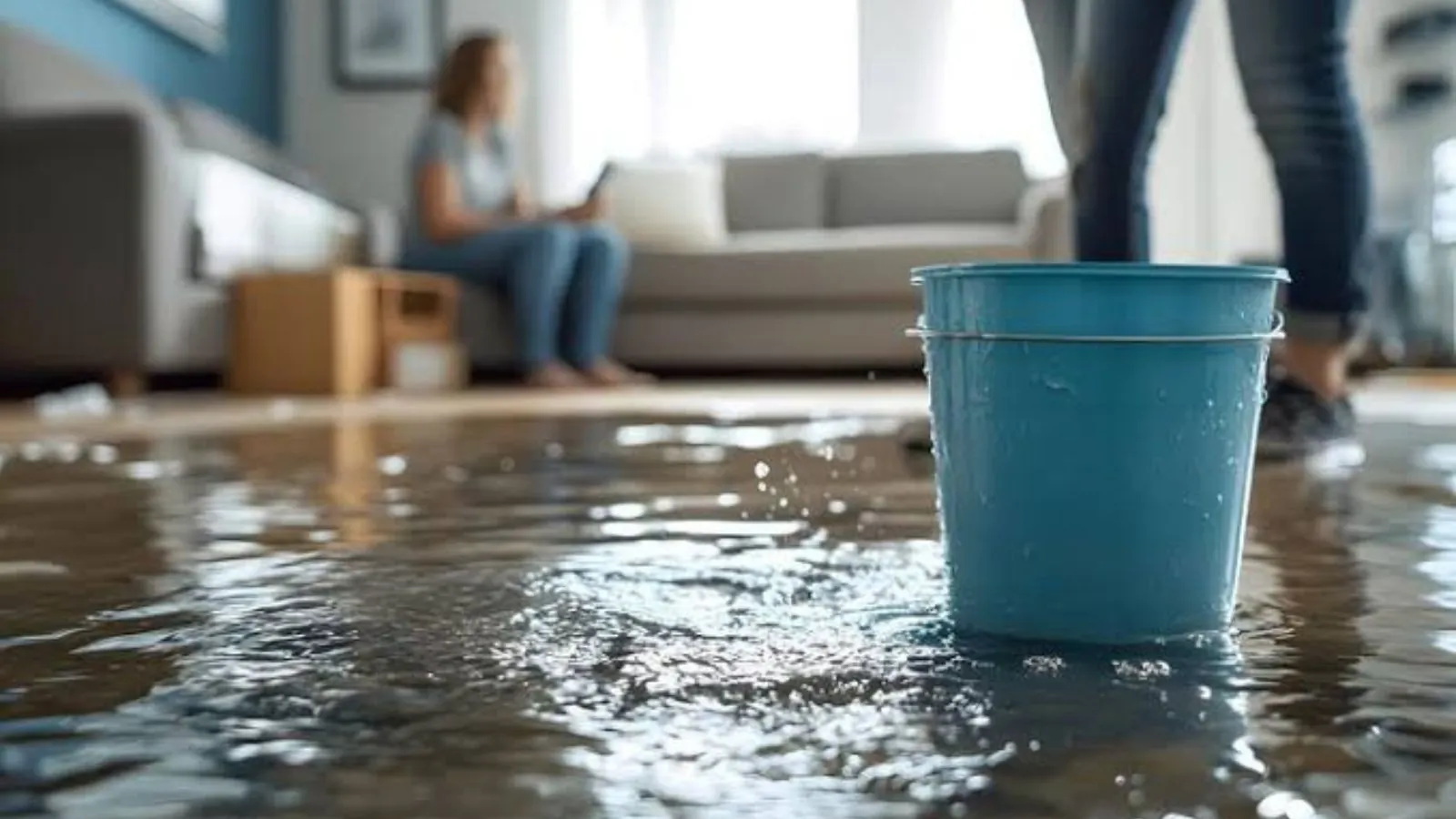
Standing water in a Norwalk home or building does harm by the hour, so the first job is getting it out. Water extraction is the removal of standing and pooled water with submersible pumps, portable or truck-mounted extraction units and wet vacuums, done before any drying equipment goes in.
The weight of water is why speed matters. One inch of water across 1,000 square feet of floor is about 623 gallons, which is more than 5,000 pounds soaking into subfloor, drywall and carpet pad. Pulling the bulk of it out early shortens every step that follows.
When standing water is an emergency
Treat it as an emergency when the water is still rising, when it touches outlets or a panel, when it came from a toilet, drain or the outdoors, or when it covers more than a small patch of floor.
Stay out of the water if any cord or appliance is in it. Cut power only if the panel is dry and you can reach it without standing in water, and call the utility or 911 about any electrical or gas risk before you call the restoration line.
While you wait, stop the source, shut the main water valve, set furniture legs on foil or blocks and carry rugs and valuables to a dry room. Keep children and pets out of the water. After-hours and same-day calls are routine for this work.
How a crew removes the water
A technician first works out the water's category and depth, then picks equipment. Submersible pumps handle depths beyond an inch or two. Extraction units pull water out of carpet and pad. Wet vacuums finish stairs, edges and tight corners. A moisture meter and thermal camera then show where water traveled behind baseboards and under flooring.
Extraction is only the first half of the job. Water left in subfloor and wall cavities keeps evaporating into the room for days, so a drying plan with air movers and dehumidifiers comes next. Structural drying and dehumidification explains that second phase.
| Category | Typical source | What it means | Usual response |
|---|---|---|---|
| Category 1 | Broken supply line, rain through a roof | Clean at the source but can degrade within a day or two | Extract, dry and salvage most materials |
| Category 2 | Washer or dishwasher discharge, sump overflow | Contains contaminants that can cause illness | Extract, clean and discard porous items such as carpet pad |
| Category 3 | Sewage, rising river or ground water | Grossly contaminated | Protective gear, removal of porous materials and disinfection. See sewage backup cleanup |
These categories come from the ANSI/IICRC S500 water damage standard. Ask any company you call whether its crews work to S500.
Where the water comes from in and around Norwalk
Norwalk's water system and wastewater plant are owned and run by the city, with billing handled by the Utility Billing Office at City Hall on Whittlesey Avenue. If a leak sits on the street side of your meter, only the city can repair it, so call that office before you dig or cut near the meter.
Norwalk averages roughly 40 inches of precipitation a year in the NOAA 1991 to 2020 normals, and a wet spring can leave yards saturated. When pumps run, the discharge hose should send water well away from the foundation and off a neighbor's lot, or it can circle back into the same basement.
Pooled water is easier to remove before it soaks the subfloor.
Related water problems that start with extraction
If the water arrived through a snapped supply line, the burst pipe page covers shutoffs and repairs. If it rose from outside, flood damage cleanup deals with contaminated water. A wet cellar has its own steps on the basement cleanup page, and offices and shops are handled under commercial water damage.
Homeowners in Collins and Willard use the same dispatch line as Norwalk, so say which town the job is in when you call.
What shapes the cost of water extraction
No honest price can be quoted without seeing the water, but these are the factors that move it:
- Water category, because Category 2 and 3 water adds protective gear and disposal
- Depth and the square footage the water covers
- Number of floors and how far the equipment must be carried
- Materials involved, such as carpet pad that must be removed versus hard flooring that can stay
- How many days of drying follow extraction
Insurance notes: sudden and accidental water from a failed supply line is often covered, gradual leaks and neglect often are not, and flood water usually needs a separate flood policy. Check your policy or ask your insurer. Want your real number? Call dispatch and describe what you see.
Water Extraction questions in Norwalk, OH
Do you handle Water Extraction emergencies at night or on weekends in Norwalk?
Yes. Dispatch is answered 24 hours a day on every day of the year, so a pooled floor at 2 a.m. gets the same call-taking as one at noon. Same-day response is offered when crews are available, and no arrival time is promised on the phone. Tell dispatch where the water is coming from and whether it touches outlets so the crew brings the right equipment.
How long does water extraction take?
Pulling standing water out usually takes hours, not days, and depends on how much water there is and how many rooms it reached. The drying that follows is what takes days. A crew will give a realistic outline once it has measured moisture in the walls and floors.
Can I remove the water myself with a wet vacuum?
A shop vacuum is fine for a small, clean spill that is nowhere near outlets. It is the wrong tool for deep water, for any water that came from a drain or the outdoors, or for water that has already soaked carpet pad and the base of drywall.
Does fast extraction prevent mold?
It lowers the risk but does not remove it. EPA guidance says to dry wet materials within 24 to 48 hours, which is why extraction is followed by air movers, dehumidifiers and moisture readings until the materials reach normal levels.
Water still spreading in Norwalk? The dispatch line answers around the clock.