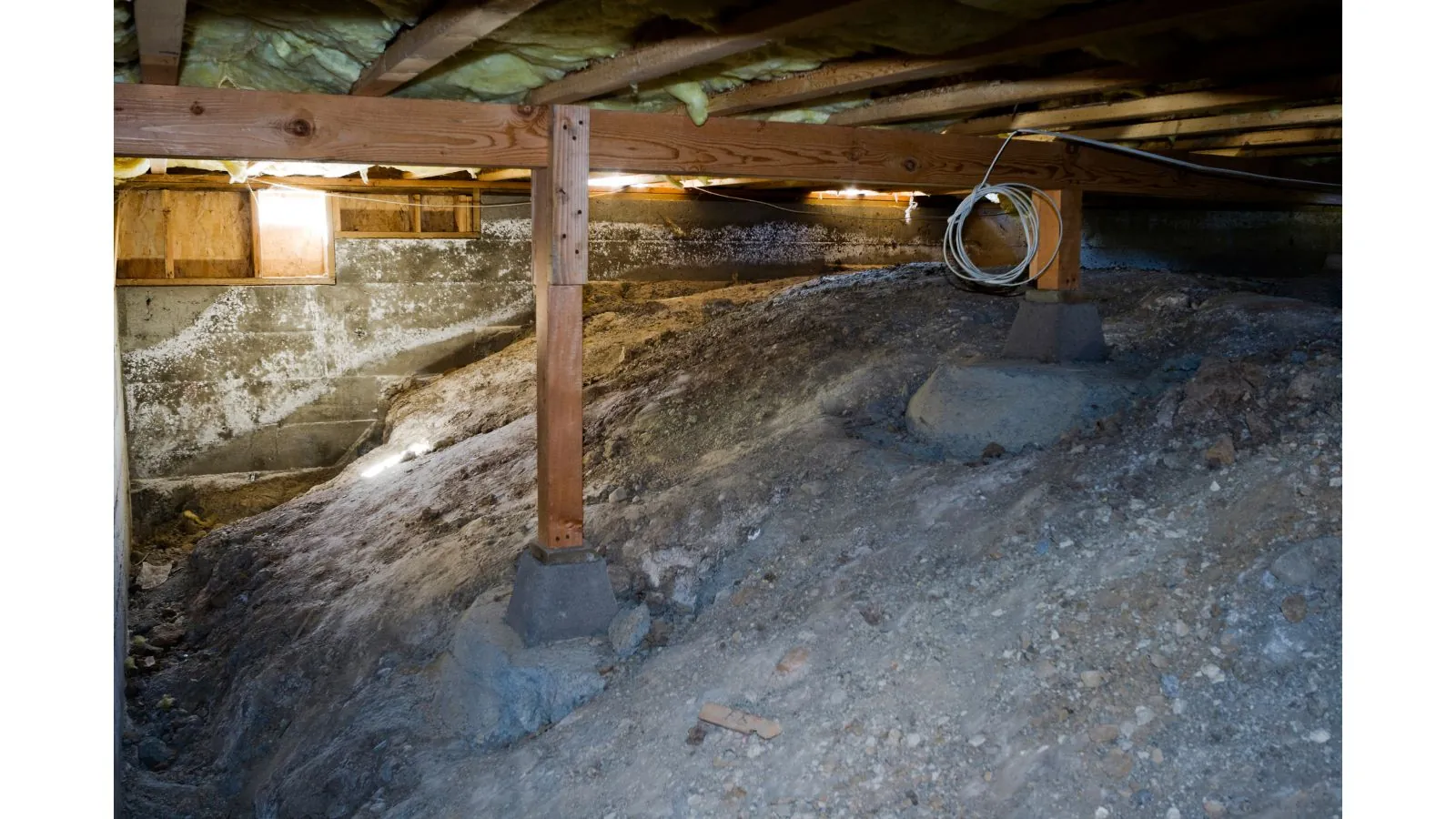
Mold coverage is one of the least predictable parts of a homeowners policy. Some policies cover mold that follows a covered water loss, some cap it at a low limit and some exclude it unless you bought an add-on. The cause of the moisture usually decides the answer.
This is general information. Policies differ, so check your policy or ask your insurer, and treat the points below as questions to bring to that conversation, not as a coverage opinion.
The cause drives the answer
| How mold started | Often treated as | Why |
|---|---|---|
| Burst pipe, then mold in the wall | Covered cause followed by mold | The water loss was sudden |
| Long-term leak under a sink | Maintenance issue | Gradual damage is often excluded |
| Humidity and poor ventilation | Not covered | Seen as a condition of the home |
| Flood water, then mold | Flood exclusion | Flood needs a separate policy |
| Sewer backup, then mold | Depends on endorsement | Backup is often an add-on |
Even when mold follows a covered loss, policies may set a lower limit for mold remediation than for the water damage itself. Ask for the exact number, and ask whether it includes testing.
What to look for in the policy
- A mold, fungus or wet rot exclusion or limit, and where it is listed
- The dollar cap on mold remediation, if any
- Whether testing and clearance are covered
- Whether coverage requires you to have acted promptly
- Any endorsement that raises the mold limit
Prompt action is usually a condition. EPA guidance says to dry water-damaged materials within 24 to 48 hours, and a policy that expects reasonable steps will look at whether drying began quickly. That is why structural drying matters to your claim as well as to your home.
Document before you clean
Photograph the growth
Wide and close-up, with a ruler or coin for scale.
Record the moisture
Notes on the source and the date you found it.
Keep reports
Plumber invoices, moisture logs and test results.
Call your insurer
Report the loss and ask how mold is handled.
If the mold follows a loss that was not reported, tell the insurer what you know and when you found it. Honesty and good records help more than a neat story.
A Norwalk climate angle
Norwalk's NOAA 1991 to 2020 normals list about 40 inches of precipitation and 33 inches of snow a year, so many mold problems here start with a wet spring or a slow basement leak. Insurers tend to distinguish between a storm that opened a roof and humidity that built up over years.
The county's inclusion in the 2006 flood disaster declaration, noted by the National Weather Service, is a reminder of how far a storm can reach. After widespread events, coverage questions about flood water and what follows it, including mold, come up quickly, which is another reason to read the policy during calm weather.
If mold is not covered
If mold is excluded, you still need to fix it, and costs depend on the area and materials. Ask about payment plans with a contractor, check whether any part of the loss is covered and keep records in case an adjuster reviews the file later. A mold remediation company can explain the scope in writing, and many ask for the moisture source to be fixed first.
Never accept a promise that mold will not return. The only protection is controlling moisture, and a plumber or roofer fixes the source. If the cause was a pipe, the burst pipe page explains what the cleanup looks like.
Fast drying is the best protection for both your house and your claim.
Homeowners in Willard and Monroeville have the same coverage questions, and the dispatch line serves both.
Keep the paper trail clean
Mold claims often turn on dates. Write down when you first smelled mustiness, when you saw growth and when water last entered the space. A plumber's invoice, a photo of the failed part and a moisture reading from the day of the loss all help show whether the damage was sudden or slow.
Keep samples of removed materials only if your insurer asks for them, and ask before throwing out anything large. Save every receipt for fans, dehumidifiers, protective gear and hotel nights, since some policies reimburse part of those costs.
Questions worth asking your insurer
- Does my policy have a mold or fungi limit, and what is the dollar amount
- Is mold covered when it follows a covered water loss
- Does testing or air sampling count toward the limit
- Who decides the scope of removal, and can I get it in writing
A written answer is worth more than a phone call. If the reply is unclear, ask the agent to point to the page in the policy. For the physical side of the problem, the mold remediation page explains containment and moisture control, and Willard and Milan residents can use the same dispatch line.
Questions homeowners ask
Is mold ever covered by homeowners insurance?
Sometimes. Coverage often applies when mold follows a covered water loss, and it may be limited. Check your policy or ask your insurer.
Does insurance pay for mold testing?
It depends on the policy. Some cover testing that is part of a covered claim, and others do not. Ask before you order a test.
Should I clean the mold before the adjuster arrives?
Document it first. Photographs and notes come before cleanup, and ask the adjuster what to keep.
Water still spreading in Norwalk? The dispatch line answers around the clock.