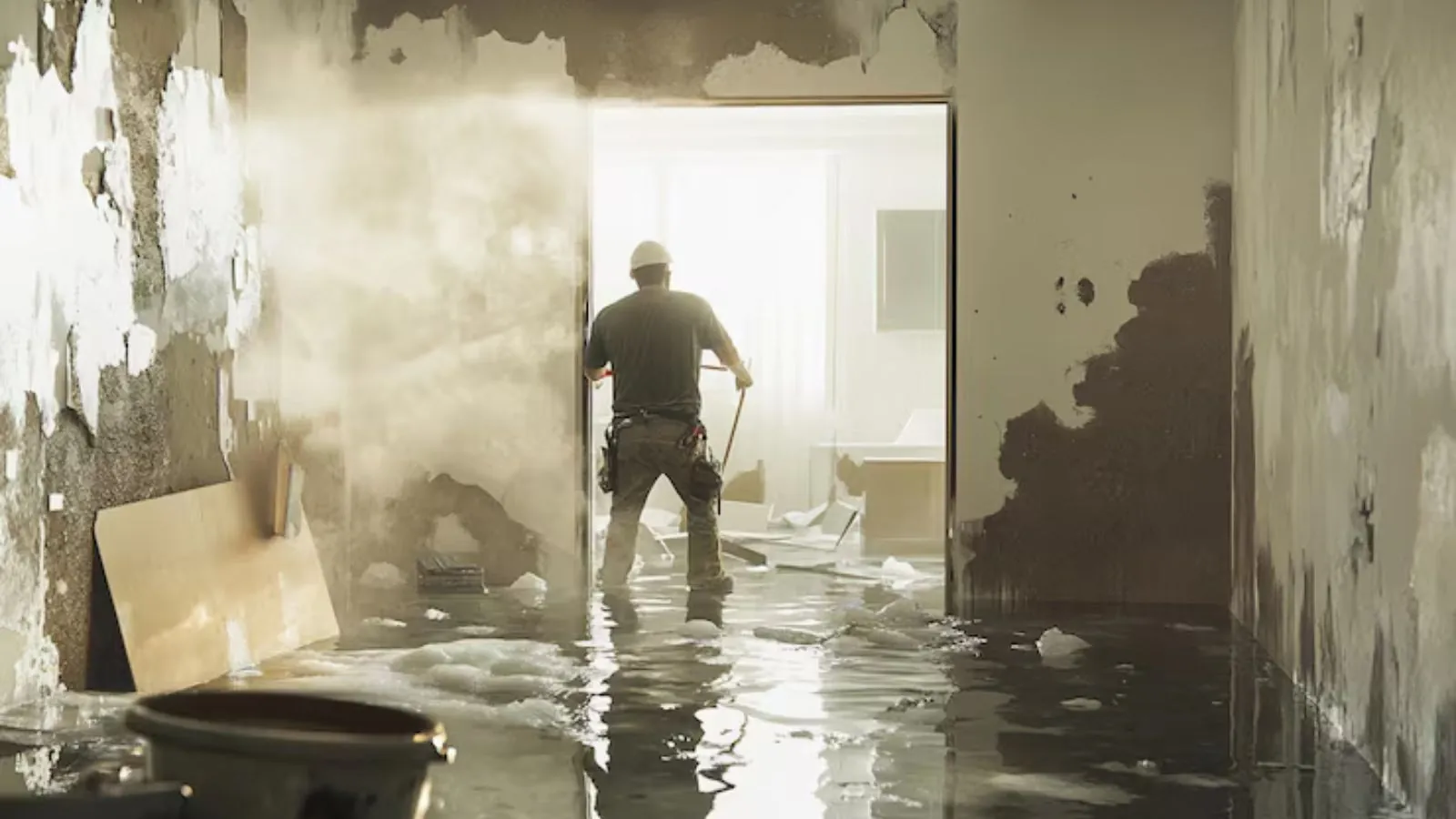
After water damage, you face a long list of decisions about what to keep. The wrong answer in either direction costs something: throw away what could be saved and you lose money, keep what should go and you risk odor, mold or contamination.
Three questions settle most cases. What kind of water was it? How porous is the item? How long was it wet? The sections below use those questions.
Start with the water type
| Water type | Examples | Porous items | Hard items |
|---|---|---|---|
| Clean (Category 1) | Supply line, rain through roof | Often saved if dried fast | Clean and dry |
| Gray (Category 2) | Washer discharge, sump overflow | Case by case, often discarded | Clean and sanitize |
| Black (Category 3) | Sewage, flood water | Discard | Clean and disinfect carefully |
The categories are borrowed from the industry's water damage standard. When you cannot tell the source, treat the water as the dirtier category.
What is usually worth saving
- Solid wood furniture that was wet briefly, once it is dried
- Items made of glass, metal, hard plastic and ceramic, which clean easily
- Clothing and linens washed promptly after clean water
- Photographs and papers, which have their own steps
- Appliances only after a technician checks them
What is usually thrown away
- Carpet pad and padded furniture soaked in contaminated water
- Mattresses and upholstery from floods or sewage
- Particleboard furniture that has swollen
- Food and drinks that touched flood water
- Cosmetics, medicines and baby items that touched contaminated water
- Anything with visible mold growth that cannot be cleaned
Porous materials take water in and hold it, and contaminated water leaves things behind that washing will not remove. Cardboard boxes are a good example, since they absorb water and mold quickly, so move the contents into plastic tubs.
Photograph before you toss
Photograph each item
Take photos before it leaves the house.
List it
Note what it is, the age and an estimated value.
Keep a sample
Ask the adjuster whether samples of carpet or flooring are needed.
Bag hazardous items
Contaminated items go in heavy bags and out of the living area.
Norwalk after a widespread storm
Huron County appears on the National Weather Service's list for the 2006 flood declaration. After a regional event, trash and bulk pickup can be delayed or limited, so ask the city or your waste hauler how to set out wet debris.
Norwalk's city-owned utility handles water and sewer, so if flood water came through drains, ask the utility office whether there are advisories for your area.
Food, medicine and electronics
Throw away food that touched flood water or sewage, and any item in a refrigerator that lost power long enough to spoil. Medicines that were exposed to flood water should be replaced after talking to a pharmacist. Electronics that were wet should not be plugged in until a technician checks them, which is covered in a separate guide on unplugging electronics.
Drying the structure helps decide about belongings too. After water extraction and measured structural drying, items stored in the area can usually be assessed with confidence.
When you are not sure, photograph it and ask before you toss it.
Households in Milan and Monroeville follow the same rules and can call the dispatch line for guidance.
Hard goods that usually survive
Solid items such as glass, metal, glazed ceramics and hard plastics can usually be washed and disinfected after clean water. Wood furniture with a sealed finish often dries out, though veneer can lift and joints can loosen. Take photos before you move anything.
Porous items are the real decision. Upholstery, mattresses, pillows and particle board furniture soak up water and are hard to dry through. After clean water caught early, some can be saved, and after gray or black water most should go.
Keep a record before you toss
Before anything goes to the curb, photograph it, note what it was and list a rough age. Your insurer may ask for this list, and an itemized record is much easier to build while the items are still in front of you. Ask before discarding large or expensive pieces.
Water category changes the answer. Clean water from a supply line is very different from a sewage backup, where porous items are discarded for safety. The sewage backup page explains why, and the carpet page covers floor coverings.
When in doubt, ask dispatch
If you cannot tell whether an item is worth saving, describe it to dispatch when you call. Collins and Milan callers get the same answer as Norwalk callers, and nothing is promised until the damage is seen.
Children's items such as stuffed toys and cribs deserve extra caution. If they were in dirty water, replace them, and if the water was clean, wash and dry them completely.
Questions homeowners ask
How long do I have to save wet items?
As little as a day or two for porous items, because mold starts to grow in 24 to 48 hours according to EPA guidance. Dry or freeze papers and photos right away.
Can wet furniture be dried?
Solid wood often can, especially if the water was clean and the drying starts quickly. Upholstered pieces from dirty water are usually discarded.
Should I keep damaged items for the insurance adjuster?
Yes, unless they are hazardous. Photograph them first, and ask the adjuster what they need to see.
Water still spreading in Norwalk? The dispatch line answers around the clock.