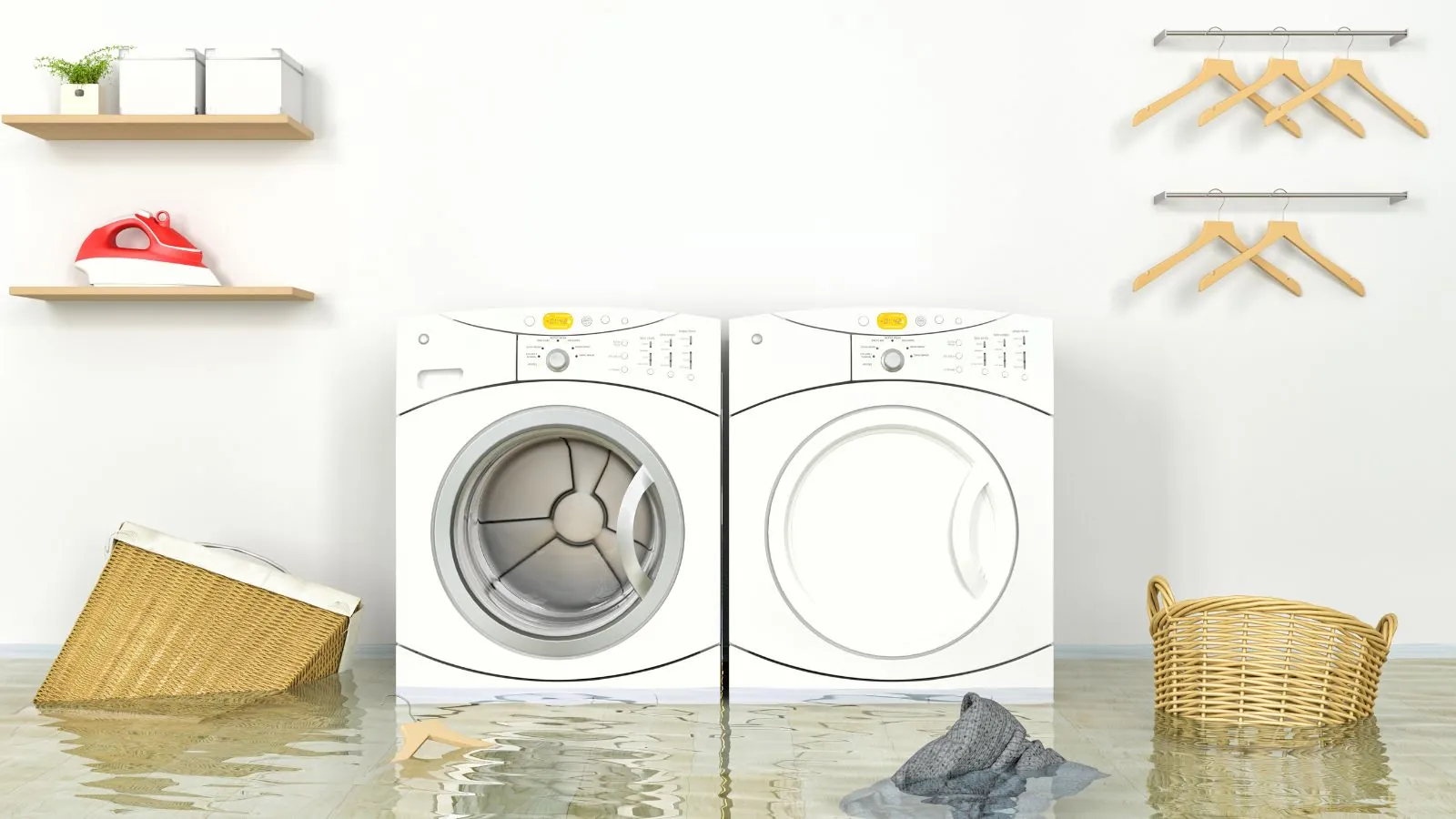
Electronics and water are a risky combination, for the people nearby as well as the devices. Electricity can travel through standing water, and a device that was wet can fail or overheat even after it looks dry. The safe order of steps puts people first and devices second.
This guide covers household electronics, appliances and wiring after a water loss. It is general safety information, and a licensed electrician should handle anything involving the panel, outlets or wiring.
Safety first
Stay out of standing water
Do not enter water that touches outlets, cords or a panel.
Do not touch wet cords
Unplugging is only safe when your hands and the floor are dry.
Call the utility
Report any electrical hazard to the electric utility or 911.
Do not power up
Do not turn on any device that got wet until it is checked.
If you must cut power to a flooded area, the panel must be dry and reachable without standing in water. If not, leave it and call for help.
Devices, one by one
| Device | What to do |
|---|---|
| Phone or tablet | Power off, remove the case and battery if possible, and dry in open air. Do not charge it |
| Laptop | Power off, unplug, remove the battery if possible and let a technician inspect it |
| Television or monitor | Unplug and do not turn on, since the power supply can fail |
| Large appliances | Unplug and have a technician inspect before use |
| Power strips and extension cords | Discard if they were submerged |
| Smoke detectors | Replace if wet, since they are a safety device |
Rice is a popular suggestion for phones, but it does not reliably dry a device. Air drying in a dry room and a technician's inspection are better.
Wiring and outlets
- Outlets and switches that were under water should be checked by a licensed electrician
- A circuit breaker panel that got wet should not be reset until it is inspected
- Light fixtures that filled with water should be left alone
- Smells of burning or sparks mean you should leave and call 911
A wall that has been wet may have damaged wiring inside, and drywall that holds water against wires is a risk. The wall and drywall repair page explains how walls are opened and dried so that wiring can be checked.
Electrical checks in Norwalk
Norwalk's zoning office page says the city has no electrician for private property electrical inspections, and suggests asking a certified electrician of your choosing. After water reaches wiring, hire a licensed electrician to inspect it, and keep the report for your insurer.
NOAA publishes a Huron River at Milan gauge, and homes in low areas near the river may see water reach outlets in a major flood. Raise electronics off basement floors and keep the panel clear of storage.
What to do about devices after the room is dry
Once the room is safe and dry, take wet electronics to a repair shop or a technician. Many will check a device for a fee and tell you if it is worth repairing. Photograph everything for your insurer, since electronics are often a large part of a loss.
Drying the room follows water extraction, then measured drying, with moisture readings taken before devices are brought back. EPA guidance on drying within 24 to 48 hours applies to the room and to devices stored in it.
Power stays off until a person with the right training says otherwise.
People in Monroeville and Milan can call dispatch about a wet room, and an electrician for the wiring.
What to do with wet devices
Do not turn on a device that got wet, even if it looks dry. Power it off, unplug it and remove any battery that comes out easily. Water inside can short a board the moment current flows, and rice does not dry electronics reliably.
Wipe the outside with a dry cloth and keep the device in a dry room until a repair shop can open it. The sooner a technician cleans the board, the better the odds of saving it. Data matters too, so ask about recovery before you decide to replace a phone or laptop.
Outlets, panels and appliances
Water near an outlet or panel is a different problem. Stay out of standing water if you are unsure whether power is on, and have an electrician check anything the water reached before you use it again. The water extraction page covers safe water removal, and Monroeville and Collins callers use the same dispatch line.
Surge protectors and power strips that got wet should be thrown away. Their internal parts can fail in ways you cannot see, and replacing one costs far less than a fire.
Questions homeowners ask
Is it safe to unplug something in water?
Only if your hands and the floor are dry. If you would have to stand in water, stay out and call the utility.
Can a wet phone be saved?
Sometimes. Power it off, do not charge it and let it dry in open air before a technician inspects it. Rice does not reliably help.
Do I need an electrician after a flood?
If water reached outlets, switches or the panel, yes. Norwalk's zoning office notes that the city does not provide private property electrical inspections, so choose a licensed electrician.
Water still spreading in Norwalk? The dispatch line answers around the clock.