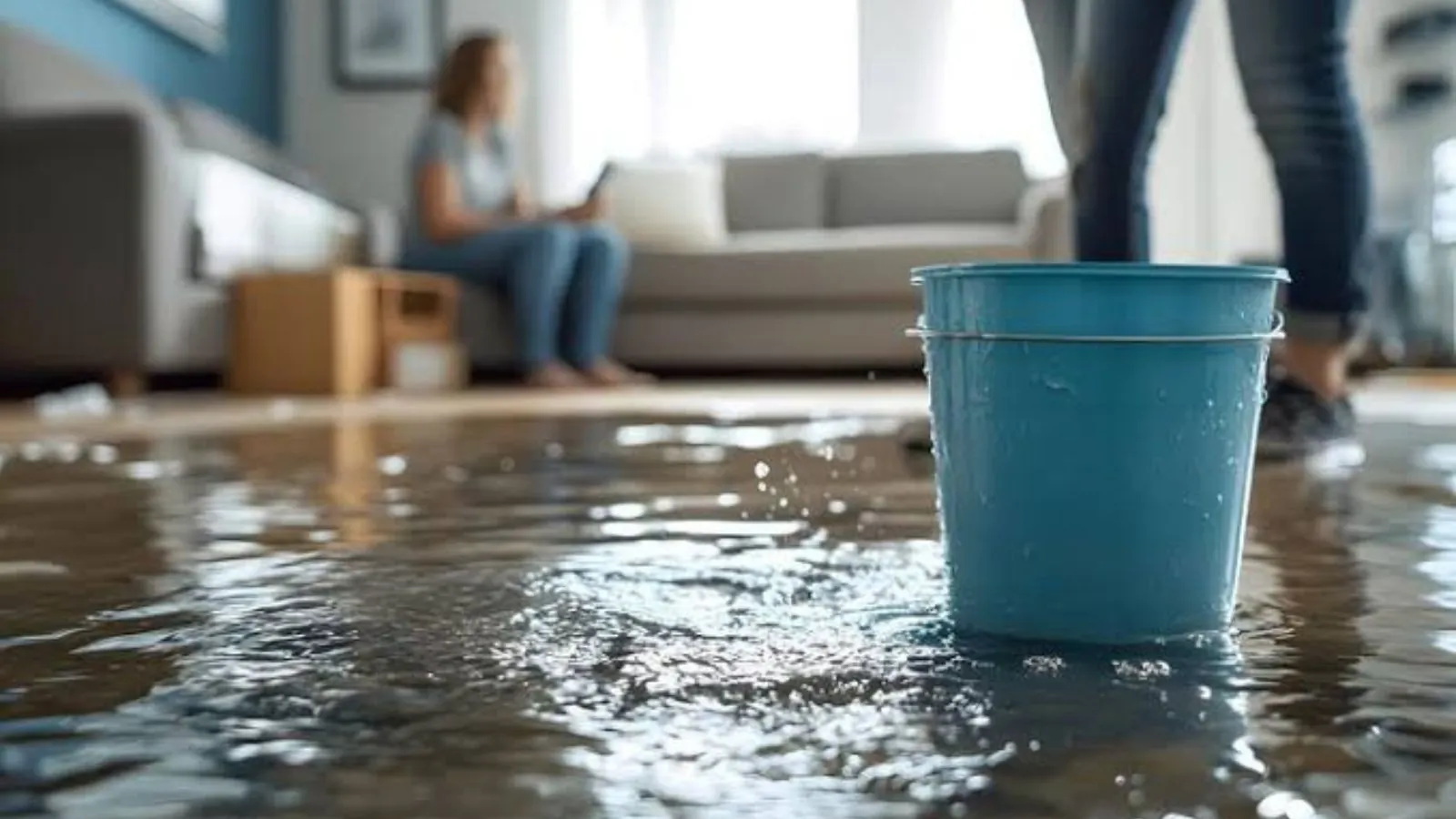
A water damage claim is built from paper. The adjuster was not there when the pipe burst, so your photos, receipts and notes are how the event is reconstructed. This guide covers what to collect, in the order that works best, so you spend your first hours on the house and not on forms.
It does not replace your policy. Deductibles, limits and deadlines differ, so read your policy or ask your insurer about the specifics. Nothing here is a promise that a claim will be paid.
The first hour: protect the property
Most policies expect you to take reasonable steps to prevent further damage. Close the main water valve, switch off power to wet areas only if it is safe and call for water removal. Reasonable costs of stopping the damage are often reimbursable, so keep receipts for anything you buy or pay for.
Do not wait for an adjuster to start drying. Waiting makes the loss bigger, and the larger loss is the one you may end up paying for.
What to document before anything is moved
- Wide photos of each affected room, then close-ups of the damage
- Video that walks through the house and narrates what you see
- Photos of the source, such as the broken pipe, hose or fixture
- The date and time you found the damage and what you did next
- Serial numbers and model labels on damaged appliances and electronics
Take photos before cleanup starts and again as materials are removed. A crew that logs moisture readings each day adds a record that insurers often ask for, and that record is part of a good drying job anyway.
The inventory
| Item | Room | Age | Estimated value | Condition |
|---|---|---|---|---|
| Sofa | Living room | About 4 years | Your estimate | Soaked, keep for adjuster |
| Area rug | Dining room | About 8 years | Your estimate | Wet, may be cleanable |
| Television | Basement | About 2 years | Your estimate | Water touched base, do not turn on |
Keep damaged items until the adjuster has seen them, unless they are hazardous, such as items contaminated by sewage. For hazardous items, photograph first and ask the adjuster what to do.
Talking to the adjuster
Give facts
Describe what you saw and when, without guessing at causes.
Share records
Hand over photos, receipts, the plumber's invoice and drying logs.
Ask questions
Ask what is covered, how the scope is determined and when to expect a decision.
Keep notes
Write down the name and date of every conversation.
If your restoration company writes a scope and takes daily readings, share those too. The scope of work is also the document you compare against the adjuster's estimate.
Norwalk notes that help a claim
The city of Norwalk owns the municipal water system and bills water and sewer through its Utility Billing Office. If a leak is on the street side of your meter, the city's records and the repair belong to the city, not to your claim. If it is on your side, your plumber's invoice is the proof of the cause.
Huron County was part of the federal disaster declaration for the June 2006 flooding, according to the National Weather Service. In a widespread event, adjusters are stretched, so complete photos and a written inventory help your file move along.
Mistakes that slow a claim
- Throwing away damaged items before they are photographed
- Letting drying wait for the adjuster
- Signing a contract before you know what the policy covers
- Describing damage as sudden when you are not sure how long it has been there
- Failing to keep receipts for emergency measures
Prompt water extraction and structural drying also protect the claim, because they limit secondary damage such as mold that insurers can dispute.
A complete photo set is the cheapest part of the whole claim.
Households in Milan and Monroeville follow the same steps, and the dispatch line covers those towns too.
What an adjuster usually wants to see
Expect to be asked for photos, a list of damaged items, the date and cause of the loss and records showing you protected the property from further damage. Drying logs and invoices for emergency work help explain what was done and why.
Keep your own notes of every call, including the name of the person you spoke to and the date. If a figure from the insurer looks low, ask for the reasoning in writing. Nothing here promises a claim will be paid, and your policy decides the outcome. See water extraction and Willard for related help.
Do not sign anything you do not understand. If a release or a payout letter is unclear, ask the insurer to explain it, or have a trusted person read it with you before you agree.
Questions homeowners ask
How long do I have to file a water damage claim?
Deadlines come from your policy and can be short for some losses. Read the notice-of-loss section of your policy or call your insurer promptly.
Should I get my own estimate or wait for the adjuster?
Do both. Start protecting the property immediately, and share your restoration company's scope with the adjuster so the two can be compared.
Does Norwalk's utility company affect my claim?
Only if the leak was on the city's side of the meter. Ask the city's utility billing office, and keep a plumber's report that shows where the break occurred.
Water still spreading in Norwalk? The dispatch line answers around the clock.