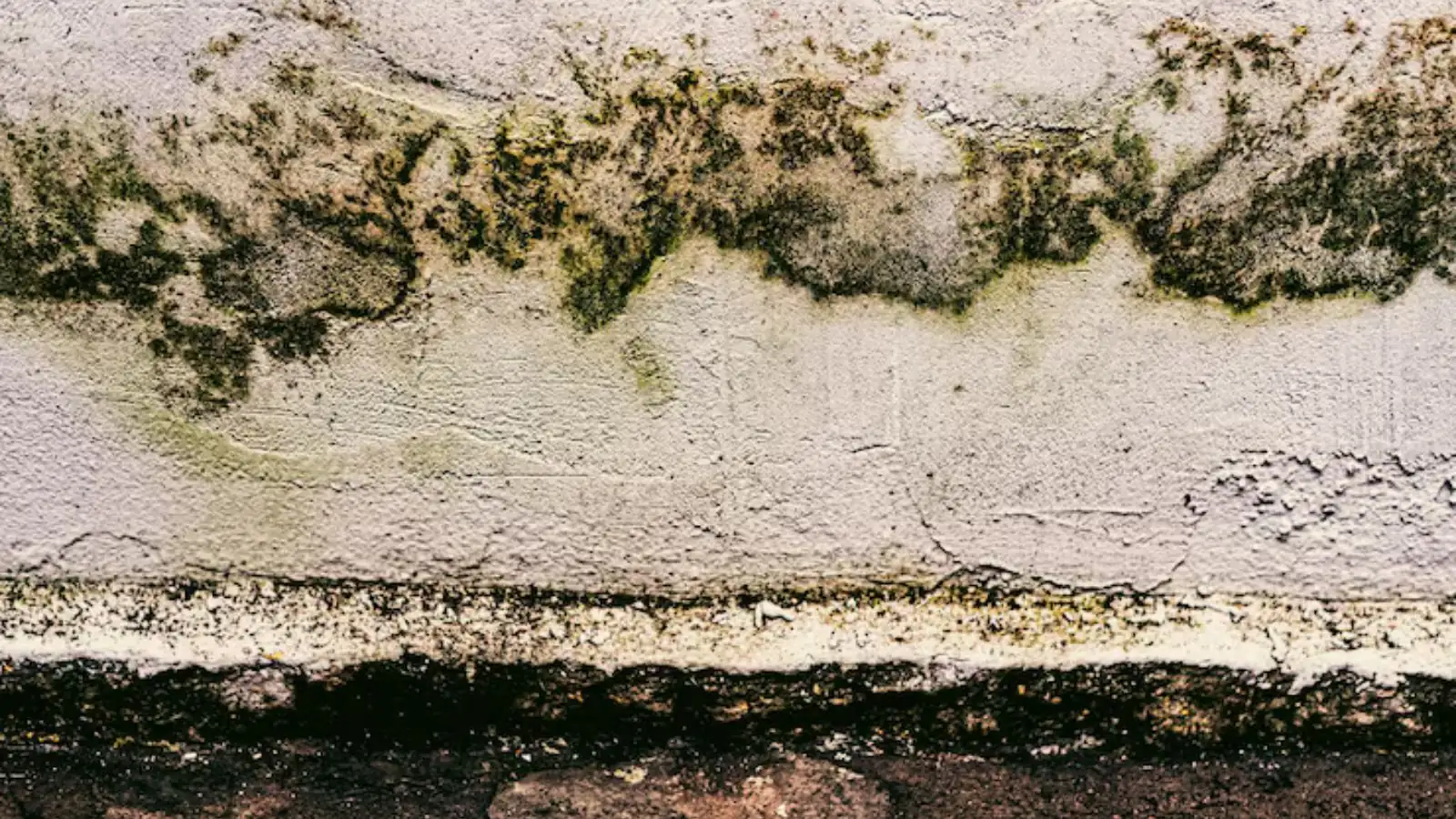
Mold is a type of fungus. It is present nearly everywhere as microscopic spores that drift through indoor and outdoor air, and it only becomes a problem when the spores land on a damp surface that stays damp. In a house, the word usually describes visible growth that appears after a leak, a flood or long-term humidity.
The most useful fact about mold is also the simplest one. Mold needs moisture. Without water, it cannot grow, which is why the first question about any mold problem is where the water is coming from.
What mold needs to grow
| Need | In a house |
|---|---|
| Moisture | Leaks, floods, condensation or humidity above about 60 percent |
| Food | Drywall paper, wood, carpet pad, dust and insulation |
| Warmth | Normal indoor temperatures |
| Time | Often a day or two of dampness is enough to begin |
The EPA advises drying wet materials within 24 to 48 hours and holding indoor humidity under 60 percent, with 30 to 50 percent as the ideal range. Those two numbers are the practical rules of mold prevention.
Where mold hides in homes
- Behind and under sinks, where small leaks run for months
- On basement walls and in corners with poor air movement
- Inside walls after a pipe leak or a flood
- Under carpet and pad that stayed wet
- On the ceiling of a bathroom with a weak fan
- In an attic under a leaking roof
Mold can be white, green, gray, brown or black, so color does not tell you what kind it is or how serious it is. A musty smell with no visible growth often points to mold inside a wall or under a floor.
What mold is not
Not every dark mark is mold. Dirt, soot, rust and mineral deposits can look similar, and a damp stain may have no growth at all. Mildew, a surface growth on damp bathroom tile or windowsills, is a different-looking but related problem, discussed in a separate guide on telling mildew from mold. Questions about health effects belong with your physician, and a remediation company deals with the building.
Mold weather in Norwalk
Norwalk's NOAA 1991 to 2020 normals list about 40 inches of precipitation and roughly 33 inches of snow a year. Humid summers, spring thaws and heavy rains all give basements and closets a chance to stay damp. The practical step is to keep a hygrometer in the basement and run a dehumidifier when it reads above 50 to 60 percent.
Norwalk's city GIS map shows wetland and floodplain locations, so a lot in a low area may see more groundwater after heavy rain. If you have a basement in a low spot, check it after storms as part of normal home upkeep.
What to do first
Find the water
Look for leaks, condensation or flood water. Fix the source.
Dry the area
Use a dehumidifier and fans if the material is only damp.
Avoid disturbing it
Scrubbing or cutting into a large area can spread spores.
Call for help
A large or hidden problem needs containment and professional removal.
For a small patch of surface mold on a hard material, EPA guidance suggests cleaning with detergent and water and drying completely, and that guidance has limits. A patch bigger than about 10 square feet, or any growth inside a wall, is a job for a remediation crew.
When it becomes a larger project
If growth follows a flood or a long leak, the affected drywall, pad and insulation are usually removed, the area is contained and cleaned, and the structure is dried and rebuilt. That process follows the ANSI/IICRC S520 standard, and the mold remediation page lays out the steps. A wet building must be dried first, which is the job of structural drying.
Ask whether your state licenses mold work before you hire anyone, and verify it on the state agency's own site. Never accept a promise that mold will not come back, since only the removal of moisture prevents that.
Moisture is the thing to fix, whatever the mold looks like.
Homeowners in Milan and Monroeville deal with the same river-valley humidity and can reach the same dispatch line.
Why it matters after a leak
Mold needs moisture, a food source and time, and wet drywall, wood and carpet pad supply the first two. That is why drying within the first couple of days matters. The structural drying page explains how readings show when a space is dry, and Collins callers can ask about it too.
Ventilation helps in bathrooms, kitchens and laundry rooms, where steam and splashes are routine. Run the exhaust fan during and after showers, wipe standing water from surfaces and fix drips early.
If you are unsure what you are looking at, take a clear photo and note where and when you saw it. That helps whoever you call understand the situation faster.
Questions homeowners ask
Is all mold dangerous?
Questions about health effects are for a physician. For the building, any mold growth means moisture is present, and the growth should be dealt with and the moisture fixed.
Can I tell what kind of mold I have by its color?
No. Color is not a reliable guide to type or seriousness, and testing is a separate step.
How humid is too humid in Norwalk basements?
Keep indoor humidity below 60 percent, ideally between 30 and 50 percent. A hygrometer is inexpensive and tells you when a dehumidifier is needed.
Water still spreading in Norwalk? The dispatch line answers around the clock.